A significant contract is won by a manufacturer. The production requirements for the month increase however the facility has no room and has employees with previous experience or additional hours during the daytime. A second shift may help temporarily, but it can be a source of new labor or training, supervision and quality control requirements.
This situation highlights a major purpose for robotic automation. Robotics is not just replacing humans with machines. In the right application it can transform the way manufacturers make use of the resources they have.
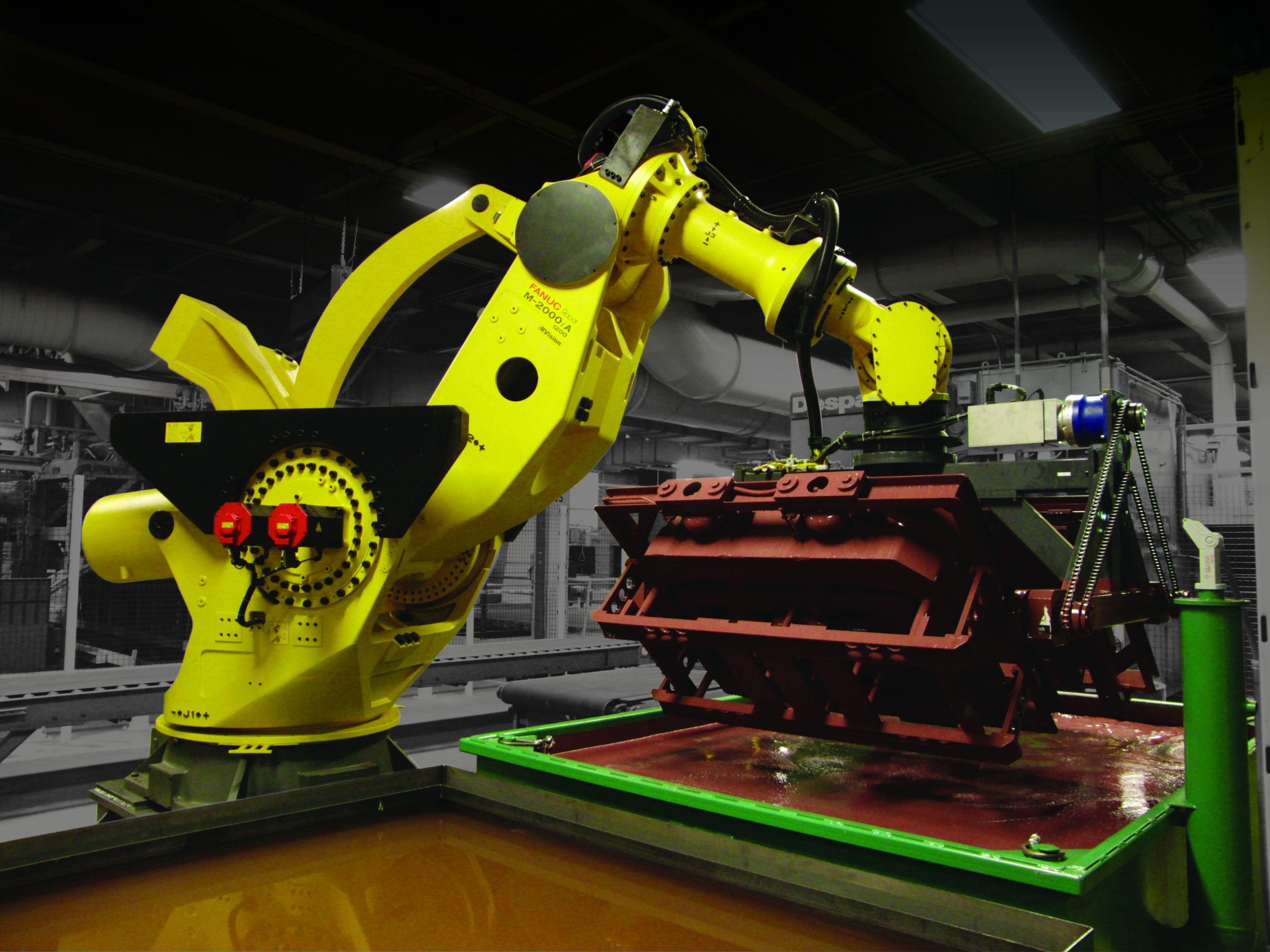
Image credit: automatedsolutions.com.au
Have a look at the amount of time that is lost between products
Manufacturing inefficiency doesn’t have to be noticeable. Imagine a worker spending 15 seconds locating a component for 10 seconds, then applying the material and then transfer it. The difference may seem insignificant for a single component. These seconds add up when multiplied by thousands.
It’s the same with scrap material. A small amount of excess coating or dispensing material multiplied in a production run with a high volume could result in a significant expense.
Companies considering robotic automation Australia projects can benefit from examining these small, repeated losses before deciding what equipment they need. The analysis conducted by ASA’s Needs Analysis is designed to identify bottlenecks, quality issues, waste, as well as other limitations to process that may affect an automation project.
A Robot must be able to integrate the Process Around It
A robot is only one of many engineering decisions. Guardings, tools, controls as well as conveyors, sensors and fixtures are also necessary. Engineers should consider the range, payload, and how the robot is going to operate and interact with the surrounding.
The FANUC approach of ASA’s approach to robot automation is based on the development of concepts and systems as well as CAD Simulation and offline programming. The digital simulation allows engineers to examine configurations, estimate cycle times and test the system prior to making it functional on the floor of the customer’s facility. It’s particularly useful when there is a small amount of space or the new robotics requires integration with an existing production line.
Dispensing and painting demonstrate why Replicability is Essential
Certain manufacturing processes illustrate the importance of controlling movements. Imagine coating hundreds or thousands of components. The goal isn’t just complete each component at a rapid pace. From the beginning of production to the end the speed, movement as well as the distance to be applied must be controlled.
ASA is a team of experts working with paint and dispensing application across industries, including aeronautics and automobile. Industrial robotics automation in these areas can allow for repeatable movements while limiting exposure of employees to physical demands or procedures that could risk injury.
Better control of materials that are discarded can contribute to productivity improvements by decreasing the amount of unneeded materials used.
Installation of the system isn’t enough. You still need people to maintain it.
Automation does not eliminate the requirement for expert manufacturing. Automation transforms the skills required for maintaining and operating the process.
Employees should be aware of how to safely operate equipment and recognize any abnormalities, troubleshoot faults, and perform appropriate maintenance. The demands for production can shift in time, meaning that programs and processes will need to be adapted.
ASA provides on-site training covering safe operation, programming, troubleshooting, as well as mechanical and electrical maintenance. They also provide servicing and support for checking the condition of equipment, and dealing with wear throughout the lifetime of the system.
Capacity goes beyond simply working faster
An increase in capacity for Australian manufacturers does not necessarily involve buying a bigger facility or adding more workers to repetitive processes. Sometimes, the best question is whether the current production process can be redesigned differently.
ASA has created and integrated automation systems in Australia since 2002. We also help with projects in other countries. The method is based on analysis of needs and engineering, simulations, FANUC robotic integration and training as well as servicing.
Automation is not for its own sake. A system that’s worth the gold it’s worth will bring tangible benefits to the manufacturer, like greater reliability, higher quality, safer processes and less waste.