On Monday, the security manager makes changes to the company risk register. Two days later, a developer modifies a cloud access policy. By Friday, a revised security procedure has been uploaded, but the Statement of Applicability still lists the previous document.
Nothing dramatic has happened. When an ISO 27001 auditor reviews the records, even minor version conflicts can become difficult to explain. Startups often struggle less with any single task than with keeping compliance work coordinated alongside daily operations.
Why Manual Compliance Tracking Takes So Much Time
A spreadsheet is often the most familiar place to begin tracking compliance. They are also easy to leave outdated or misplace. At first, a small business might separate its risk register from policy and control records. Once multiple employees begin updating information or control owners change, the spreadsheet approach becomes harder to coordinate.
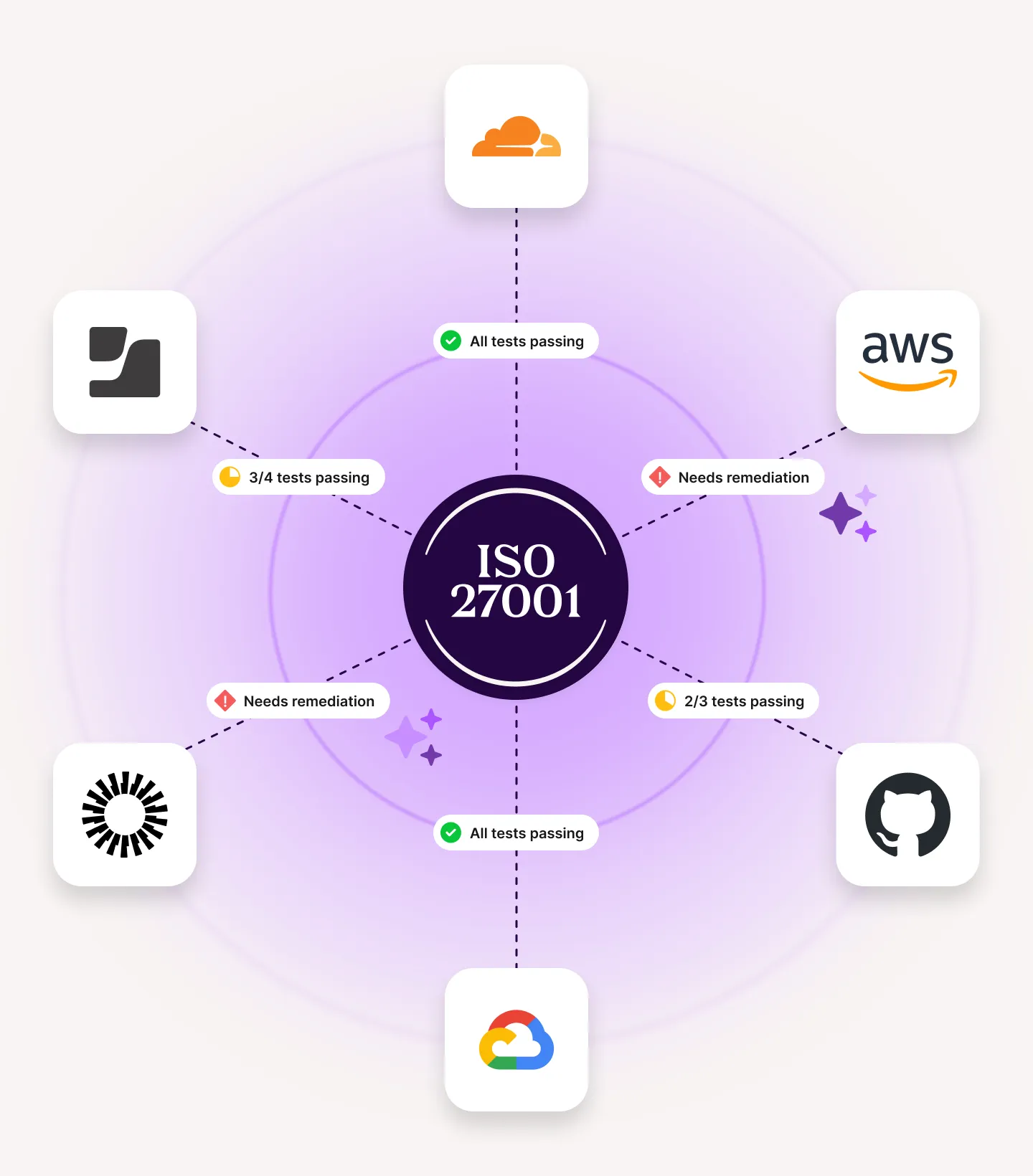
ISO 27001 compliance software offers an alternative by bringing related activities into a structured workspace. Instead of searching through folders to understand a control’s status, team members can find its documentation and supporting evidence together.
What Startup Leaders Need to Know
A new subscription only helps if someone maintains it, so ask first: Who will manage it day to day?
The compliance needs of an eight-person startup are very different from those of a multinational business. In a small team, risk assessments may fall to founders, technical controls to developers, and documentation to an operations manager.
The right ISO 27001 software should clarify these responsibilities without adding complicated administrative tasks. Ease of use matters because a compliance platform is less useful if employees avoid updating it.
Why the Statement of Applicability Matters
The Statement of Applicability serves a purpose beyond filling out a template. It should show the organization’s control choices, the reasoning behind them, and whether implementation has occurred.
Using cloud infrastructure does not remove the need to consider physical security concerns, even when the provider manages the underlying buildings.
The organization’s responsibilities and control decisions should be documented accurately. A connected risk register and Statement of Applicability can make those decisions simpler to trace during an audit.
What Happens When the Auditor Arrives?
The audit may involve reviewing employee training records alongside risk treatment decisions. If documents are scattered across different systems, locating the correct versions can slow down preparation. ISO 27001 certification software helps organize these materials, but it does not guarantee that the evidence is sufficient or that certification will be granted.
Whether the information security management system meets the standard is evaluated by an accredited certification body. Clear records simply make the assessment process easier to manage.
How Growing Businesses Can Simplify Compliance
A growing team should compare compliance platforms against its financial and operational constraints. CertAssist offers a straightforward option for businesses searching for the best compliance software for startups ISO 27001 certification. Its features include ISO 27001 clauses and Annex A controls, along with a risk register, Statement of Applicability, editable policy guidance, and evidence storage.
It also supports direct auditor access without requiring integrations with company infrastructure. That can be particularly useful for businesses that prefer managing evidence themselves.
Keep Compliance Work Manageable as You Grow
A startup still needs to serve customers and build its product while preparing for certification; compliance work should not become the only focus. A practical compliance system makes it easier to identify unfinished work, maintain accurate records, and prepare for independent assessment.
CertAssist aims to give smaller businesses a practical framework for compliance tasks without excessive administrative complexity. A long feature list is not, by itself, a measure of success. A useful platform is one that allows the business to coordinate security responsibilities as its needs evolve.